Pet Supplements Guide: Everything You Need to Know
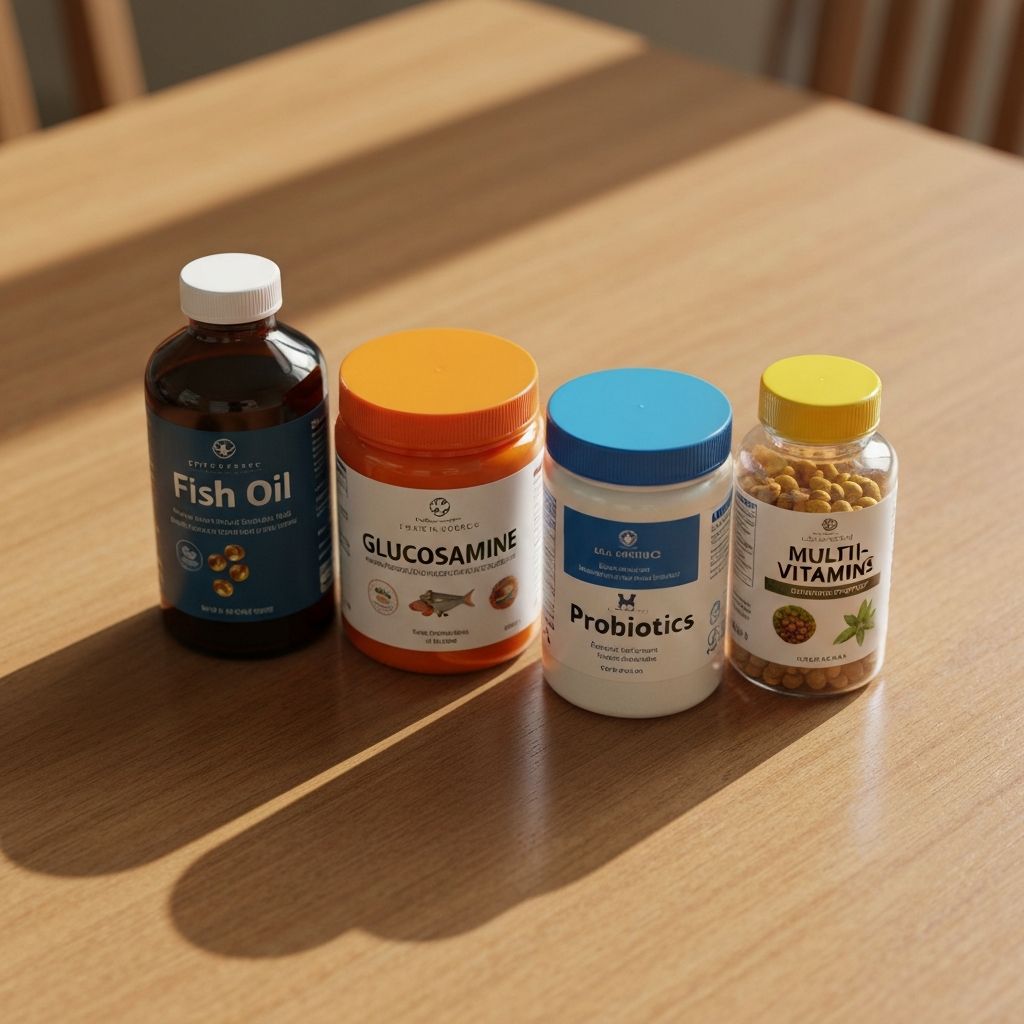
Navigate the complex world of pet supplements with confidence. This comprehensive guide covers essential vitamins and minerals, popular supplements, evidence-based benefits, safety considerations, and how to choose quality products for your pet's specific needs.
Understanding Pet Supplement Basics
What Are Pet Supplements?
Pet supplements are products designed to provide nutrients that may be lacking in the diet or to support specific health conditions. They come in various forms including tablets, capsules, powders, liquids, chews, and treats. Supplements can contain vitamins, minerals, amino acids, fatty acids, probiotics, enzymes, herbs, or other bioactive compounds intended to enhance health or address specific concerns.
Unlike pet foods, which are regulated as animal feed, supplements fall into a less strictly regulated category. While the National Animal Supplement Council (NASC) provides voluntary quality standards, not all supplement manufacturers follow these guidelines. This makes understanding quality indicators and safety considerations especially important when selecting supplements for your pet.
Do Pets Need Supplements?
Pets fed complete and balanced commercial diets formulated to meet AAFCO standards typically receive adequate basic nutrition and may not require routine supplementation. However, certain situations warrant supplementation: pets fed homemade diets (which often need vitamin/mineral supplements for balance), specific life stages with increased needs (pregnancy, lactation, growth, senior years), diagnosed health conditions that benefit from targeted supplementation, or pets on restricted diets for medical reasons.
Some supplements provide benefits beyond minimum nutritional requirements. For example, pets receiving adequate omega-6 fatty acids from their diet may still benefit from supplemental omega-3s for their anti-inflammatory effects. Joint supplements may support mobility before deficiency causes problems. The key is distinguishing between truly beneficial supplementation and unnecessary or potentially harmful over-supplementation.
Essential Vitamins and Minerals
Fat-Soluble Vitamins
Vitamin A is essential for vision, immune function, skin health, and reproduction. Unlike humans, cats cannot convert beta-carotene to active vitamin A and must obtain preformed vitamin A from animal sources. Deficiency causes night blindness, poor coat, and increased infection susceptibility, while excess vitamin A causes bone and joint problems. Supplementation is rarely needed for pets on quality commercial diets but is essential for homemade diets.
Vitamin D regulates calcium and phosphorus metabolism, crucial for bone health. Both deficiency and excess vitamin D are dangerous. Deficiency causes rickets in young animals and osteomalacia in adults, while toxicity causes hypercalcemia leading to soft tissue calcification and organ damage. Unlike humans, dogs and cats cannot synthesize adequate vitamin D from sun exposure and must obtain it from diet. Commercial pet foods are supplemented appropriately, but homemade diets require careful vitamin D addition.
Vitamin E acts as a primary antioxidant, protecting cell membranes from oxidative damage. It's particularly important for pets consuming diets high in polyunsaturated fatty acids, which increase oxidative stress. Deficiency is uncommon but can occur with fat malabsorption or diets high in unsaturated fats without adequate vitamin E. Supplementation at 100-400 IU daily may benefit pets with immune disorders, skin conditions, or cognitive decline, though optimal dosing remains under investigation.
Vitamin K is necessary for blood clotting and bone metabolism. Deficiency is rare in healthy pets, as gut bacteria synthesize vitamin K2 and most pet foods contain vitamin K1. However, vitamin K supplementation becomes critical when pets ingest rodenticides that cause vitamin K antagonism, requiring immediate veterinary treatment with high-dose vitamin K1 for several weeks.
Water-Soluble B Vitamins
The B vitamin complex includes thiamine (B1), riboflavin (B2), niacin (B3), pantothenic acid (B5), pyridoxine (B6), biotin (B7), folate (B9), and cobalamin (B12). These vitamins function as enzyme cofactors in energy metabolism, nervous system function, and red blood cell production. Because they're water-soluble and not stored long-term, consistent dietary intake is important.
Thiamine deficiency can occur in cats fed diets high in raw fish (which contains thiaminase) or heavily processed foods where thiamine is destroyed. Symptoms include neurological signs, loss of appetite, and heart problems. Niacin is particularly important for cats, who cannot efficiently convert tryptophan to niacin like dogs and humans can. Vitamin B12 is commonly deficient in pets with gastrointestinal diseases affecting the ileum, where B12 is absorbed, requiring supplementation via injection or oral high-dose therapy.
B-complex supplementation may benefit pets with increased metabolic demands (stress, illness, pregnancy), those on certain medications that deplete B vitamins, or pets with chronic gastrointestinal disease. Quality commercial pet foods contain adequate B vitamins, but homemade diets, especially vegetarian formulations, may require B-complex supplementation. Since B vitamins are water-soluble, excess is typically excreted in urine, making toxicity unlikely at reasonable supplementation levels.
Essential Minerals
Calcium and phosphorus must be balanced properly, typically at a ratio of 1.2-1.5:1 calcium to phosphorus for optimal bone health. Imbalances in either direction cause serious skeletal problems, especially in growing animals. Meat is naturally high in phosphorus and low in calcium, making calcium supplementation essential in homemade diets. However, excessive calcium supplementation in puppies can cause developmental orthopedic disease. Large breed puppies are particularly susceptible to calcium-related growth problems and should never receive additional calcium beyond a balanced commercial diet formulated for growth.
Zinc is crucial for skin health, immune function, and protein synthesis. Deficiency causes dermatological problems including crusting, hair loss, and slow wound healing, plus immune impairment and gastrointestinal issues. Some breeds (particularly Nordic breeds like Huskies and Malamutes) have higher zinc requirements or impaired zinc absorption. Zinc supplementation at 10-25mg per 10 pounds body weight may benefit these breeds or pets with confirmed zinc-responsive dermatosis, but excess zinc interferes with copper absorption and causes copper deficiency over time.
Other trace minerals including copper, selenium, iodine, manganese, and iron are required in small amounts for various metabolic functions. Deficiencies are uncommon in pets fed quality commercial diets but may occur with restricted or homemade diets. Comprehensive vitamin/mineral supplements designed for homemade feeding include appropriate amounts of trace minerals. Individual mineral supplementation should only occur under veterinary guidance, as many minerals have narrow safety margins between deficiency and toxicity.
Popular Supplement Categories
Omega-3 Fatty Acids
Omega-3 fatty acids, particularly EPA (eicosapentaenoic acid) and DHA (docosahexaenoic acid) from marine sources, are among the most well-researched and beneficial pet supplements. These essential fatty acids have anti-inflammatory effects beneficial for numerous conditions including allergic skin disease, inflammatory bowel disease, kidney disease, heart disease, arthritis, and cognitive function. They also support coat health, immune function, and may have anti-cancer properties.
Fish oil is the most common omega-3 source for pets, providing preformed EPA and DHA. Typical dosing ranges from 20-50mg combined EPA/DHA per pound of body weight daily for general health support, increasing to 100-200mg per pound for therapeutic anti-inflammatory effects in conditions like arthritis or allergies. Higher doses should be used under veterinary supervision, as omega-3s have blood-thinning effects that may be contraindicated in some situations.
Quality matters significantly in omega-3 supplements. Look for products that are molecularly distilled or processed to remove contaminants (heavy metals, PCBs), provide clear EPA/DHA content (not just total omega-3 or fish oil content), and have added vitamin E to prevent oxidation. Algae-based omega-3 supplements provide a vegetarian source of DHA and are useful for pets with fish allergies or sensitivities. Store omega-3 supplements in the refrigerator and discard if they develop a rancid smell, as oxidized fish oil loses effectiveness and may be harmful.
Joint Supplements
Glucosamine and chondroitin are the most widely used joint supplements for pets with osteoarthritis. Glucosamine provides building blocks for cartilage matrix and may have anti-inflammatory effects. Chondroitin helps attract fluid into cartilage, improving shock absorption and inhibiting enzymes that break down cartilage. While research results are mixed, many veterinarians and pet owners report clinical improvement with consistent long-term use, particularly when started before severe joint damage occurs.
Typical dosing for glucosamine is 500-1000mg for small dogs/cats, 1000-1500mg for medium dogs, and 1500-2000mg for large dogs, given daily. Chondroitin is usually provided at 200-400mg for small dogs/cats, 400-600mg for medium dogs, and 600-1200mg for large dogs. Products combining both ingredients are convenient and may have synergistic effects. These supplements are very safe with virtually no side effects beyond occasional mild gastrointestinal upset. Effects take 4-8 weeks to become apparent, and supplementation must continue long-term to maintain benefits.
Additional joint supplement ingredients include MSM (methylsulfonylmethane), which may reduce inflammation and pain; green-lipped mussel, which contains omega-3s plus glycosaminoglycans; hyaluronic acid, which helps lubricate joints; and boswellia or turmeric extracts with anti-inflammatory properties. Combination products containing multiple ingredients may provide broader benefits than single-ingredient supplements. Severe arthritis typically requires multiple modalities including NSAIDs, weight management, controlled exercise, and physical therapy in addition to joint supplements.
Digestive Supplements
Probiotics are beneficial bacteria that support digestive and immune health. Specific strains including Lactobacillus acidophilus, Lactobacillus casei, Bifidobacterium bifidum, and Enterococcus faecium have been studied in dogs and cats. Benefits include improved digestion, reduced diarrhea during antibiotic therapy or stress, enhanced immune function, and potential reduction in inflammatory bowel disease symptoms. Probiotic supplementation is particularly beneficial during and after antibiotic treatment, during dietary changes, and for pets with chronic digestive issues.
Quality probiotic supplements should specify the bacterial strains included, provide colony forming units (CFU) in billions per dose (typical range 1-10 billion CFU for dogs, 1-5 billion for cats), and have guaranteed potency through the expiration date. Store probiotics as directed (many require refrigeration) to maintain bacterial viability. Some products combine probiotics with prebiotics (fiber compounds that feed beneficial bacteria), creating "synbiotic" supplements with enhanced effects.
Digestive enzymes help break down proteins, fats, and carbohydrates, supporting pets with exocrine pancreatic insufficiency (EPI), inflammatory bowel disease, or general digestive sensitivity. Prescription pancreatic enzyme products are necessary for EPI, but over-the-counter enzyme supplements may benefit pets with less severe digestive issues. These supplements typically contain protease, lipase, amylase, and sometimes cellulase and should be mixed with food shortly before feeding for optimal activity.
Fiber supplements including psyllium husk, pumpkin fiber, and beet pulp can help with both diarrhea and constipation by normalizing stool consistency and promoting healthy gut motility. Soluble fiber (psyllium, pumpkin) forms gels that slow transit time and add bulk, while insoluble fiber (wheat bran, cellulose) speeds transit time. The appropriate fiber type depends on your pet's specific digestive issue, so consult your veterinarian before supplementing.
Specialized Health Supplements
Cognitive and Neurological Support
Senior pets commonly experience cognitive decline similar to human dementia, termed cognitive dysfunction syndrome (CDS). Specific supplements may slow progression or improve symptoms. SAMe (S-adenosylmethionine) at 18mg/kg daily has shown benefits for cognitive function and also supports liver health, making it particularly useful for aging pets. Medium-chain triglycerides (MCTs) provide an alternative energy source for aging brains and may improve cognitive performance in dogs with CDS.
Other cognitive support ingredients include phosphatidylserine (improves cell membrane function and neurotransmitter activity), antioxidants like vitamin E and vitamin C (combat oxidative stress contributing to brain aging), ginkgo biloba (increases cerebral blood flow, though evidence in pets is limited), and DHA from omega-3s (supports brain structure and function). Combination products designed specifically for cognitive support often provide multiple ingredients for broader benefits than single-ingredient supplements.
Start cognitive supplements early in the aging process for maximum benefit, ideally before obvious signs of decline appear. While supplements may slow progression and improve quality of life, they cannot reverse significant existing brain damage. Combine cognitive supplementation with environmental enrichment, regular exercise, mental stimulation through puzzle toys and training, and consistent routines to optimize senior pet cognitive health.
Kidney Support Supplements
Chronic kidney disease (CKD) affects many aging pets, particularly cats. While supplements cannot cure kidney disease, specific nutrients may slow progression and improve quality of life. Omega-3 fatty acids at anti-inflammatory doses (100-150mg EPA/DHA per kg body weight) have been shown to slow CKD progression and reduce proteinuria. Fish oil is the most practical omega-3 source, though high doses should be balanced against potential effects on platelet function.
Phosphorus binders help manage hyperphosphatemia common in kidney disease. While prescription phosphorus binders are most effective, some pet owners use calcium carbonate or chitosan-based products under veterinary guidance. These must be given with meals to bind dietary phosphorus effectively. Potassium supplementation may be necessary as failing kidneys lose the ability to conserve potassium, leading to hypokalemia causing weakness and further kidney damage. Potassium gluconate is the preferred supplemental form.
Antioxidants may provide some kidney protective effects by combating oxidative stress associated with CKD. Vitamins E and C, coenzyme Q10, and specialized antioxidant combinations are sometimes recommended. Probiotic supplements may help by reducing accumulation of uremic toxins in the gut. B vitamin supplementation addresses increased urinary losses common in kidney disease. All kidney disease supplementation should occur under veterinary supervision, integrated with prescription renal diets and necessary medications.
Liver Support Supplements
Several supplements support liver health and may benefit pets with hepatic disease. SAMe (S-adenosylmethionine) at 18-20mg/kg daily is well-researched for liver support, acting as an antioxidant, supporting glutathione production, and promoting liver cell regeneration. It's particularly useful for chronic hepatitis and steroid-induced liver changes. Milk thistle (silymarin) has antioxidant and anti-inflammatory properties and may help protect liver cells from toxins and promote regeneration in chronic liver disease.
Ursodeoxycholic acid (ursodiol) is a prescription bile acid that improves bile flow and has anti-inflammatory effects, beneficial for cholestatic liver diseases. Vitamin E provides antioxidant protection important in liver disease where oxidative stress is increased. B vitamins may require supplementation as liver disease can impair storage and activation of these vitamins. Zinc supplementation addresses deficiency common in liver disease and supports immune function and protein metabolism.
Liver support supplements work best as part of comprehensive liver disease management including appropriate diet (often increased quality protein with specific amino acid profiles), medications addressing underlying causes, management of complications like ascites or hepatic encephalopathy, and regular monitoring of liver values. Supplements alone cannot compensate for severe liver dysfunction or failure but may improve quality of life and potentially slow disease progression in chronic cases.
Safety and Quality Considerations
Identifying Quality Supplements
Quality varies dramatically in the pet supplement industry. Look for products from companies that follow Good Manufacturing Practices (GMPs), have obtained National Animal Supplement Council (NASC) quality seals indicating voluntary adherence to quality standards, provide certificates of analysis documenting actual ingredient content and absence of contaminants, use third-party testing to verify label claims, and clearly list all active and inactive ingredients with amounts per serving.
Research the manufacturer's reputation, length of time in business, and whether they specialize in pet products or are primarily human supplement companies making pet products as an afterthought. Reputable manufacturers provide customer service able to answer questions about their products and manufacturing processes. Be skeptical of products making extreme health claims or promising to cure diseases – supplements support health but are not medications.
Avoid products with proprietary blends that don't list individual ingredient amounts, making it impossible to know if therapeutic doses are present. Check expiration dates and storage requirements, properly storing supplements to maintain potency. Consider bioavailability – the form of an ingredient affects how well it's absorbed. For example, glucosamine hydrochloride is more bioavailable than glucosamine sulfate, and chelated minerals are typically better absorbed than oxide forms.
Potential Risks and Interactions
While many supplements are quite safe, potential risks include contamination with heavy metals, bacteria, or other contaminants; underdosing or overdosing of active ingredients; interactions with medications; and adverse effects in pets with certain health conditions. For example, calcium supplements can interfere with thyroid medication absorption. Omega-3 fatty acids may increase bleeding risk in pets on anticoagulants or those undergoing surgery. Iron supplementation can be toxic, particularly dangerous in pets that might consume multiple pills.
Some herbal supplements can have significant effects and interactions. St. John's wort interferes with numerous medications including cyclosporine and phenobarbital. Garlic and onion, sometimes included in supplements for their purported immune benefits, can cause oxidative damage to red blood cells and anemia when consumed regularly. Comfrey contains pyrrolizidine alkaloids toxic to the liver. Just because something is "natural" does not guarantee safety.
Always inform your veterinarian about all supplements your pet receives, as this information is crucial for accurate diagnosis and treatment of health problems. Some supplements can affect bloodwork results or mask symptoms of underlying disease. Discontinue supplements and consult your veterinarian if your pet experiences any adverse effects including vomiting, diarrhea, changes in appetite or behavior, lethargy, or any other concerning symptoms after starting a new supplement.
Proper Dosing and Administration
Follow dosing instructions carefully, adjusting for your pet's actual weight rather than using approximate sizes. More is not necessarily better – many nutrients have U-shaped dose-response curves where both too little and too much are problematic. Fat-soluble vitamins (A, D, E, K) can accumulate to toxic levels with chronic over-supplementation. Some minerals like selenium and zinc have relatively narrow safety margins.
Administer supplements as directed regarding timing and food. Some supplements should be given with food to enhance absorption and reduce gastrointestinal upset (omega-3s, fat-soluble vitamins, joint supplements). Others work better on an empty stomach (SAMe, some probiotics). Separate supplements that may interact – for example, give calcium and iron supplements at different times of day as they compete for absorption.
Be patient with supplements – many take weeks to months to show effects. Joint supplements typically require 4-8 weeks for benefits to become apparent. Cognitive support supplements may take 2-3 months. Coat improvements from omega-3s take 6-8 weeks as new healthy hair grows. Don't discontinue too quickly if you don't see immediate results, but also monitor for effectiveness and discontinue supplements that show no benefit after an appropriate trial period.
Supplement Myths and Misconceptions
Debunking Common Myths
Myth: All pets need vitamin/mineral supplements. Reality: Pets fed complete and balanced commercial diets meeting AAFCO standards receive adequate basic nutrition and typically don't need additional vitamins and minerals. In fact, over-supplementation can cause imbalances and toxicities, particularly with fat-soluble vitamins and certain minerals.
Myth: Natural supplements are always safe. Reality: "Natural" does not equal safe. Many toxic substances occur naturally. Herbs can have drug-like effects and interactions. Natural products can be contaminated. Additionally, lack of regulation means natural products may not contain what labels claim or may contain undisclosed ingredients.
Myth: Human supplements work the same in pets. Reality: Pets have different metabolism and nutritional requirements than humans. Some ingredients safe for humans are toxic to pets (xylitol, certain herbs). Dosing differs significantly. Many human supplements contain additional ingredients like flavoring or coating that may be problematic for pets. Always use pet-specific supplements unless specifically directed by your veterinarian.
Myth: Supplements can cure diseases. Reality: Supplements support health and may help manage conditions, but they cannot cure diseases. They work best as part of comprehensive treatment plans including appropriate diet, medication when necessary, and lifestyle modifications. Be skeptical of products making cure claims – this is both misleading and typically illegal.
Evidence-Based Supplementation
Many supplements lack robust scientific evidence supporting their use in pets. While the absence of evidence doesn't necessarily mean something is ineffective (research is expensive and limited in veterinary medicine), it means we can't be confident about benefits and optimal dosing. When possible, choose supplements with published research demonstrating efficacy in pets rather than extrapolating from human studies or anecdotal reports.
Omega-3 fatty acids have the strongest evidence base for numerous conditions. Joint supplements have mixed evidence but clinical experience suggests benefits for many pets. Cognitive support supplements show promising preliminary evidence. Many other popular supplements have limited to no published veterinary research. Consider the risk-benefit ratio: if a supplement is very safe and relatively inexpensive, some owners choose to try it even with limited evidence, particularly for quality-of-life issues where pharmaceutical options are limited.
Be critical of testimonials and reviews. While individual experiences matter, they don't replace scientific research. Placebo effects occur in pets (actually owner expectation effects, since pets don't understand they're receiving treatment), particularly for subjective measures like mobility or behavior. Some conditions naturally wax and wane, and improvements may coincidentally occur after starting a supplement. This doesn't mean anecdotal evidence is worthless – it can guide research priorities – but we shouldn't rely on it exclusively when making supplement decisions.
Conclusion and Recommendations
Supplements can be valuable tools for supporting pet health when used appropriately. The most important principle is to work with your veterinarian to identify actual needs based on your pet's diet, life stage, health status, and specific risk factors rather than supplementing randomly based on marketing claims or trends. Start with evidence-based supplements showing clear benefits for your pet's situation.
Choose quality products from reputable manufacturers, store supplements properly to maintain potency, follow dosing instructions carefully, and be patient for effects to develop. Monitor your pet's response including both positive effects and any potential adverse reactions. Keep your veterinarian informed about all supplements your pet receives, as this information is crucial for comprehensive healthcare.
Remember that supplements work best as part of overall health strategies including appropriate nutrition, healthy body weight, regular exercise, mental stimulation, preventive veterinary care, and early intervention for health problems. Supplements cannot compensate for poor diet, obesity, or lack of veterinary care. Used wisely as part of comprehensive health management, supplements can enhance your pet's quality of life and potentially prevent or slow progression of certain conditions.
Medical Disclaimer: This article is for informational purposes only and does not constitute professional veterinary advice. Always consult with a licensed veterinarian before making decisions about your pet's health or care.