Complete Guide to Senior Pet Nutrition: Feeding Your Aging Dog or Cat
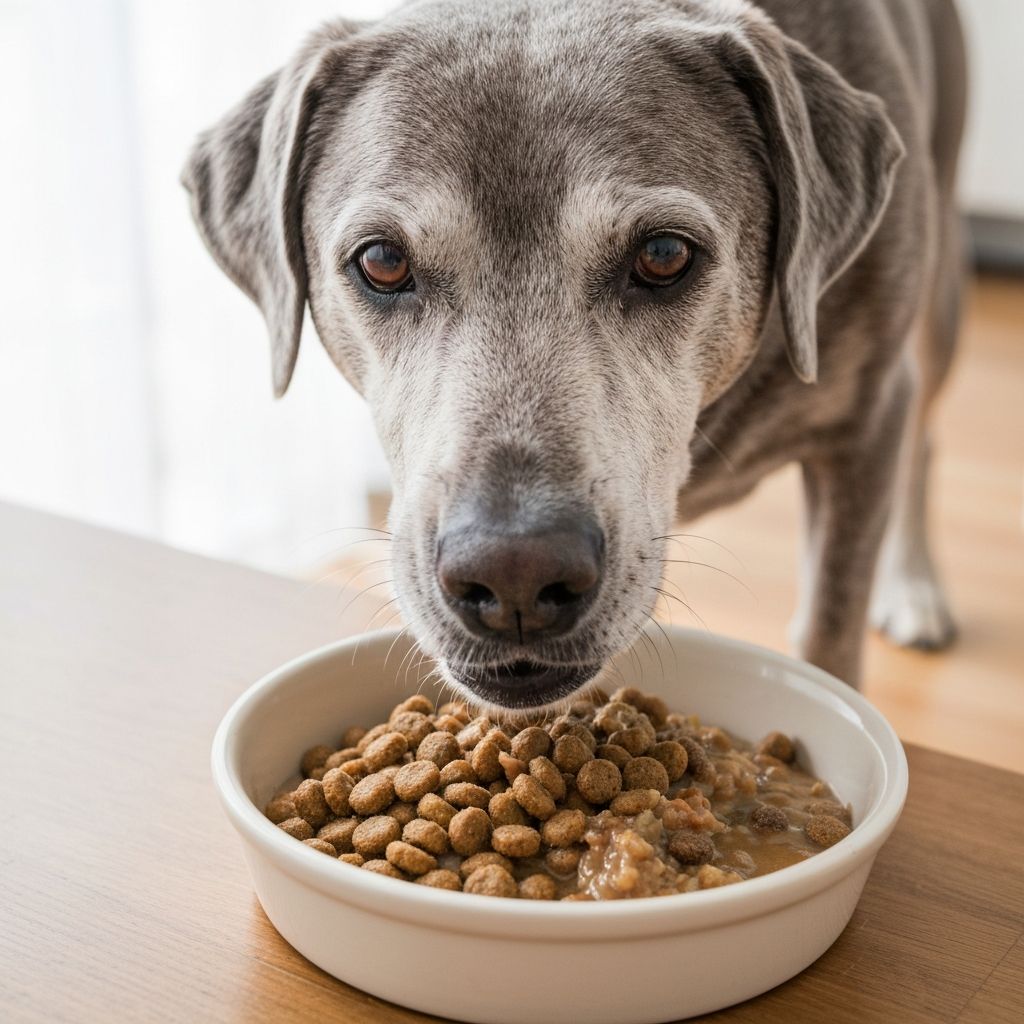
As pets age, their nutritional needs change dramatically. This comprehensive guide covers everything you need to know about feeding senior dogs and cats, from understanding age-related metabolic changes to choosing the right food and managing common health conditions through diet.
Understanding the Aging Process in Pets
When Is a Pet Considered Senior?
The definition of "senior" varies by species and size. For dogs, small breeds (under 20 pounds) are typically considered senior at 11-12 years, medium breeds (21-50 pounds) at 10 years, large breeds (51-90 pounds) at 8 years, and giant breeds (over 90 pounds) at 6-7 years. Cats are generally considered senior at 11 years and geriatric at 15 years.
These age classifications exist because larger dogs age more rapidly than smaller dogs, with their bodies experiencing accelerated cellular aging and metabolic decline. This phenomenon, still not fully understood by science, means that a Great Dane at age 7 is physiologically much older than a Chihuahua at the same age.
Physiological Changes in Senior Pets
Metabolic Rate Decline: Senior pets experience a 20-30% reduction in basal metabolic rate, meaning they burn fewer calories at rest. This decline begins gradually around middle age and accelerates in the senior years. The thyroid gland produces less hormone, cellular mitochondria become less efficient, and overall energy expenditure decreases.
Muscle Mass Loss (Sarcopenia): Age-related muscle loss is a universal phenomenon in senior pets. Without intervention, dogs and cats can lose 30-40% of their muscle mass between adulthood and senior years. This loss isn't just cosmetic—muscle serves as a protein reserve during illness, supports mobility, and maintains metabolic health.
Digestive Efficiency Reduction: The digestive system becomes less efficient with age. Stomach acid production decreases by 20-40%, pancreatic enzyme output declines, intestinal villi (absorption surfaces) become less effective, and gut motility slows. These changes mean senior pets extract fewer nutrients from the same amount of food compared to their younger selves.
Immune System Weakening: Immunosenescence—the gradual deterioration of immune function—makes senior pets more susceptible to infections, slower to heal from injuries, and more prone to inflammatory conditions. The thymus gland shrinks, T-cell function declines, and chronic low-grade inflammation (inflammaging) becomes common.
Organ Function Decline: Kidney function typically declines by 30-50% in senior pets, even without diagnosed kidney disease. Liver metabolic capacity decreases, pancreatic function may become impaired, and cardiac output reduces. These changes affect how nutrients are processed, stored, and utilized throughout the body.
Nutritional Needs of Senior Pets
Caloric Requirements
Most senior pets require 20-30% fewer calories than adults due to reduced metabolic rate and activity levels. However, this isn't universal—some seniors become underweight due to chronic disease, decreased appetite, or difficulty eating. The key is monitoring body condition score (BCS) and adjusting intake accordingly.
For a typical senior dog, calculate maintenance calories as: (30 × body weight in kg) + 70, then multiply by 0.8 for reduced activity. A 20kg senior dog would need approximately 650 calories daily, compared to 800+ calories as an active adult. However, very senior dogs (geriatric) or those with muscle wasting may need increased calories to prevent further weight loss.
Protein Requirements: The Controversy
One of the most debated topics in senior pet nutrition is protein requirements. Historical belief suggested that high protein accelerates kidney disease in aging pets, leading to recommendations for protein restriction. Modern research has overturned this paradigm entirely.
The Truth About Protein and Kidneys: Multiple studies have shown that dietary protein does not cause kidney disease in healthy senior pets. In fact, protein restriction in seniors can accelerate muscle loss, weaken the immune system, and reduce quality of life. The confusion arose because kidney disease patients may benefit from moderate protein restriction, but this doesn't apply to healthy seniors.
Optimal Protein Levels: Senior dogs should receive at least 25-30% protein on a dry matter basis—equal to or higher than adult maintenance requirements. Senior cats, being obligate carnivores, require even more: 35-45% protein on a dry matter basis. This increased protein helps counteract age-related muscle loss and supports immune function.
Protein Quality Matters More: Not all proteins are equal. Senior pets benefit from highly digestible, complete proteins with excellent amino acid profiles. Animal-based proteins (chicken, fish, beef, eggs) provide superior amino acid balance compared to plant proteins. Look for foods listing specific meat sources (not just "meat meal") as primary ingredients.
Fat Requirements
Fat serves multiple crucial functions in senior pet diets: it provides concentrated energy (helpful for pets eating smaller volumes), carries fat-soluble vitamins (A, D, E, K), supplies essential fatty acids, and enhances food palatability—important for seniors with reduced appetite.
Optimal Fat Levels: Senior dogs generally do well with 12-15% fat on a dry matter basis, though active or underweight seniors may need 18-20%. Senior cats should receive 15-25% fat, as their obligate carnivore metabolism is adapted to utilize fat efficiently.
Omega-3 Fatty Acids: EPA and DHA (found in fish oil) are particularly important for senior pets. These omega-3s reduce inflammation, support cognitive function, protect kidney function, maintain healthy skin and coat, and may slow arthritis progression. Look for foods providing at least 0.3% omega-3 fatty acids, or supplement with 50-100 mg EPA+DHA per kg body weight daily.
Carbohydrates and Fiber
While dogs and cats don't require carbohydrates, they can utilize them for energy. The key consideration for seniors is glycemic control and digestive health.
Glycemic Control: Senior pets have increased risk of insulin resistance and diabetes. Choose foods with low-glycemic carbohydrates like sweet potatoes, legumes, and vegetables rather than high-glycemic sources like corn, wheat, and white rice. Better yet, prioritize protein and fat over carbohydrates entirely.
Fiber for Digestive Health: Senior pets often benefit from increased fiber (4-7% on dry matter basis) to support regular bowel movements, as constipation becomes more common with age. Both soluble fiber (fermentable by gut bacteria, producing beneficial short-chain fatty acids) and insoluble fiber (adding bulk to stool) are important.
Essential Vitamins and Minerals
Antioxidants (Vitamins E, C, and others): Oxidative stress increases with age, damaging cells and contributing to aging-related diseases. Antioxidants neutralize free radicals and protect cellular structures. Senior pet foods should contain elevated levels of vitamin E (400-600 IU/kg food), vitamin C (100-200 mg/kg food), beta-carotene, lutein, and selenium.
B Vitamins: B vitamin requirements may increase in senior pets due to reduced intestinal absorption and increased urinary losses. B vitamins support energy metabolism, nervous system function, and red blood cell production. Ensure adequate thiamine, riboflavin, niacin, pyridoxine, folate, and B12.
Calcium and Phosphorus: Balance is critical. While calcium supports bone health, excessive dietary phosphorus accelerates kidney disease progression in susceptible pets. Ideal ratio is 1.2-1.5:1 calcium to phosphorus. Senior pet foods should contain moderate phosphorus levels (0.5-0.8% on dry matter basis for dogs, 0.6-1.0% for cats).
Joint-Supporting Nutrients: Glucosamine (300-500 mg per 10 kg body weight), chondroitin (200-400 mg per 10 kg), and MSM support joint health and may slow arthritis progression. Green-lipped mussel is an excellent natural source containing all three plus omega-3s.
Choosing the Right Senior Pet Food
Commercial Senior Diets: What to Look For
AAFCO Statement: Ensure the food states "formulated to meet AAFCO nutrient profiles for adult maintenance" or "animal feeding tests using AAFCO procedures substantiate that [food] provides complete and balanced nutrition for adult maintenance." Avoid foods only meeting "growth" or "all life stages" standards, as these contain higher calcium and phosphorus than ideal for seniors.
First Five Ingredients: The first ingredient should be a specific animal protein source (chicken, beef, salmon—not "meat" or "poultry"). Ideally, 2-3 of the first five ingredients should be animal-based proteins. Avoid foods with corn, wheat, or soy as primary ingredients.
Guaranteed Analysis: Look for at least 25% protein for dogs, 35% for cats (on dry matter basis). Fat should be 12-15% for dogs, 15-20% for cats. Fiber can be 3-7%. Calculate dry matter basis by dividing the as-fed percentage by (100 - moisture percentage), then multiplying by 100.
Beneficial Additions: Prebiotic fibers (chicory root, inulin), probiotics, omega-3 sources (fish oil, flaxseed), joint supplements (glucosamine, chondroitin), antioxidants (vitamins E and C, selenium), and digestive enzymes.
Wet Food vs. Dry Food for Seniors
Advantages of Wet Food: Higher moisture content (supports hydration, especially important for seniors with kidney concerns), softer texture (easier for seniors with dental issues), more aromatic (appeals to seniors with reduced sense of smell), typically higher protein and lower carbohydrate content, and often more palatable for finicky eaters.
Advantages of Dry Food: More economical, promotes dental health through mechanical cleaning action (though this benefit is often overstated), more convenient for free-feeding, typically more calorie-dense (beneficial for underweight seniors), and easier to use with puzzle feeders for mental stimulation.
The Best Approach: Many pet nutritionists recommend mixed feeding—offering both wet and dry food. This provides the benefits of both formats. For example, feed mainly wet food for hydration and palatability, with a small amount of dry food for dental benefits and caloric density. A typical ratio might be 75% wet, 25% dry by calories.
Specialty Senior Diets
Cognitive Support Diets: These foods contain medium-chain triglycerides (MCTs) that can provide an alternative energy source for aging brains, antioxidants to protect neurons, omega-3 fatty acids (especially DHA) for brain structure, and sometimes supplements like phosphatidylserine and L-carnitine. Studies show these diets can improve learning, memory, and behavior in senior dogs.
Joint Support Diets: Formulated with omega-3 fatty acids for anti-inflammatory effects, glucosamine and chondroitin for cartilage health, controlled calorie content to prevent obesity-related joint stress, and sometimes green-lipped mussel, turmeric, or boswellia for additional anti-inflammatory benefits.
Sensitive Stomach/Digestive Support: Feature highly digestible proteins, moderate fat levels, added probiotics and prebiotics, easily digestible carbohydrates, and sometimes digestive enzymes. Useful for seniors with IBD, pancreatitis history, or general digestive sensitivity.
Managing Common Senior Pet Health Conditions Through Diet
Kidney Disease (Chronic Renal Failure)
Kidney disease affects 30-40% of senior cats and 10-15% of senior dogs. While diet cannot cure kidney disease, appropriate nutrition can slow progression and improve quality of life significantly.
Phosphorus Restriction: This is the most important dietary modification. Excess phosphorus accelerates kidney damage through mineralization of kidney tissue and increased parathyroid hormone. Renal diets contain 0.2-0.5% phosphorus (dry matter basis) compared to 0.8-1.5% in regular adult foods.
Protein Management: Moderate protein restriction (not severe) may benefit dogs with advanced kidney disease by reducing uremic toxin production. However, excessive restriction causes muscle wasting. Renal diets typically contain 14-20% protein for dogs. For cats, protein restriction is more controversial—many feline veterinarians recommend maintaining normal protein levels (30-35%) to prevent muscle loss.
Omega-3 Fatty Acids: EPA and DHA reduce inflammation in kidneys and may slow disease progression. Aim for 140 mg EPA+DHA per kg body weight daily. Fish oil supplements are usually necessary to achieve therapeutic doses.
Additional Considerations: Increased B vitamins (lost in urine), potassium supplementation if levels are low, restricted sodium (but not severely—moderate levels support kidney blood flow), alkalinizing agents if blood pH is too acidic, and enhanced palatability since kidney disease often causes nausea and appetite loss.
Arthritis and Joint Disease
Arthritis affects 20% of dogs over age 1 and 90% of cats over age 12. While pain medication is often necessary, diet plays a supporting role.
Weight Management: This is the single most important dietary intervention. Every pound of excess weight places 4 pounds of pressure on joints. Weight loss of just 6-8% can significantly reduce lameness and improve mobility in arthritic dogs.
Omega-3 Fatty Acids: High doses of EPA and DHA (100-200 mg per kg body weight daily) reduce joint inflammation and can decrease NSAID requirements. This typically requires fish oil supplementation beyond what's in food.
Joint Supplements: Glucosamine (500-1000 mg daily for medium dogs), chondroitin (400-800 mg daily), MSM (250-750 mg daily), and green-lipped mussel provide building blocks for cartilage repair and have mild anti-inflammatory effects. While evidence is mixed, many owners and veterinarians report subjective improvements.
Natural Anti-Inflammatories: Turmeric/curcumin (20-50 mg per kg body weight), boswellia (200-400 mg daily), and vitamin E (400-800 IU daily) have anti-inflammatory properties with fewer side effects than NSAIDs.
Cognitive Dysfunction Syndrome (CDS)
CDS is the dog and cat equivalent of Alzheimer's disease, affecting 14-35% of dogs over age 8 and increasing to 60-68% of dogs age 15-16.
Medium-Chain Triglycerides (MCTs): The aging brain becomes less efficient at using glucose for energy. MCTs provide ketones as an alternative fuel source that the brain can utilize more easily. Studies show MCT supplementation improves cognition, learning, and memory in senior dogs. Coconut oil contains some MCTs, but concentrated MCT oil is more effective (1-2 teaspoons per 20 kg body weight daily, introduced gradually).
Antioxidants: Beta-carotene, vitamin E, vitamin C, selenium, and flavonoids protect brain cells from oxidative damage. Foods rich in colorful vegetables and fruits provide these nutrients. Specific antioxidant supplements formulated for cognitive support are also available.
Omega-3 Fatty Acids (DHA): DHA is a structural component of brain cell membranes and supports neurotransmitter function. Higher DHA levels are associated with better cognitive function in aging dogs. Aim for 50-100 mg DHA per kg body weight daily from fish oil.
Other Beneficial Nutrients: Phosphatidylserine (50-100 mg daily) supports cell membrane function, L-carnitine (50-100 mg per kg daily) supports cellular energy production, and alpha-lipoic acid (10-20 mg per kg daily) is a powerful antioxidant that can cross the blood-brain barrier.
Heart Disease
Heart disease becomes increasingly common in senior pets, with different types affecting dogs (dilated cardiomyopathy, mitral valve disease) and cats (hypertrophic cardiomyopathy).
Sodium Restriction: Moderate sodium restriction (0.15-0.30% on dry matter basis) helps reduce fluid retention and blood pressure. However, severe restriction can activate the renin-angiotensin system, potentially worsening heart function. Work with your veterinarian to determine appropriate levels.
Taurine: Taurine deficiency can cause dilated cardiomyopathy in both dogs and cats. While commercial cat foods are supplemented adequately, some grain-free and "boutique" dog foods have been linked to taurine deficiency. Ensure foods contain adequate taurine (cats need 1000-2000 mg/kg dry matter, dogs about 1000 mg/kg).
L-Carnitine: This amino acid helps the heart muscle utilize fatty acids for energy. Supplementation (50-100 mg per kg body weight twice daily) may improve cardiac function in dogs with dilated cardiomyopathy.
Omega-3 Fatty Acids: EPA and DHA have anti-arrhythmic effects, reduce inflammation, and may slow disease progression. Doses of 40-100 mg per kg body weight daily are recommended for cardiac patients.
Cancer
Cancer is the leading cause of death in senior pets. While diet cannot cure cancer, appropriate nutrition can improve quality of life and potentially slow tumor growth.
Metabolic Changes: Cancer alters metabolism, causing cachexia (severe weight and muscle loss despite adequate calorie intake). Tumors compete with the body for nutrients, producing substances that suppress appetite and alter protein, fat, and carbohydrate metabolism.
Optimal Macronutrient Profile: Cancer cells preferentially metabolize glucose. A diet higher in fat and protein, with reduced carbohydrates, may slow tumor growth while meeting the pet's nutritional needs. Aim for 30-50% fat, 30-40% protein, and minimal carbohydrates (all on dry matter basis).
Omega-3 Fatty Acids: High doses of EPA and DHA (100-200 mg per kg body weight daily) may have anti-tumor effects, reduce inflammation, improve appetite, and help maintain muscle mass during cancer treatment.
Arginine: This amino acid supports immune function and wound healing. Cancer patients should receive foods with 2-3% arginine (dry matter basis) or supplementation of 250-500 mg per kg body weight daily.
Antioxidants: While there's debate about whether antioxidants interfere with some cancer treatments (particularly radiation and certain chemotherapies), they support immune function and general health. Discuss with your veterinary oncologist.
Feeding Strategies for Senior Pets
Dealing with Decreased Appetite
Many senior pets experience reduced appetite due to decreased sense of smell, dental pain, nausea from medications or health conditions, or cognitive decline.
Enhance Food Appeal: Warm food to body temperature (releases aromas), add low-sodium broth or tuna juice, mix in small amounts of especially palatable foods (cooked chicken, fish, baby food without onion/garlic), use canned food or add water to kibble for stronger scent.
Feed Smaller, More Frequent Meals: Rather than two large meals, offer 3-4 smaller meals throughout the day. This is easier on the digestive system and may appeal more to a pet with reduced appetite.
Hand Feeding and Interaction: Some seniors eat better with encouragement. Hand feeding or sitting with your pet during meals can provide motivation. Gentle petting and verbal praise can stimulate appetite.
Eliminate Competition: Feed multi-pet households separately so seniors can eat at their own pace without stress or competition from other pets.
Appetite Stimulants: If behavioral strategies don't work, veterinarians can prescribe medications like mirtazapine or maropitant that stimulate appetite and reduce nausea.
Managing Weight Changes
Weight Gain: Reduced metabolism and activity commonly lead to weight gain in senior pets. Obesity exacerbates arthritis, heart disease, and diabetes. For weight loss: reduce portions by 25%, switch to a lower-calorie senior diet, increase low-impact exercise (swimming, short walks), use puzzle feeders to slow eating and provide mental stimulation.
Weight Loss: Unintended weight loss in seniors is concerning and warrants veterinary evaluation. It may indicate cancer, kidney disease, hyperthyroidism (cats), diabetes, or other conditions. To promote weight gain: increase feeding frequency, offer more calorie-dense foods, warm food to enhance appeal, add healthy calorie boosters (sardines, eggs, sweet potato), consider appetite stimulants if appropriate.
Transitioning to Senior Food
When transitioning to a senior-specific diet, do so gradually over 7-10 days to avoid digestive upset. Days 1-2: 25% new food, 75% old food. Days 3-5: 50% new food, 50% old food. Days 6-8: 75% new food, 25% old food. Days 9-10: 100% new food.
Monitor stool consistency during transition. If diarrhea occurs, slow the transition process. Probiotics can help support digestive health during food changes.
Supplements for Senior Pets
Joint Support
Glucosamine: 500-1000 mg daily for medium dogs, 250-500 mg for cats. Choose glucosamine sulfate or HCl forms.
Chondroitin: 400-800 mg daily for medium dogs, 200-400 mg for cats. Often combined with glucosamine in joint supplements.
MSM: 250-750 mg daily for medium dogs. Has anti-inflammatory properties and may reduce arthritis pain.
Cognitive Support
Fish Oil (Omega-3): 50-100 mg EPA+DHA per kg body weight daily. Choose supplements with high EPA and DHA content and added vitamin E to prevent oxidation.
MCT Oil: 1-2 teaspoons per 20 kg body weight daily, introduced gradually to avoid digestive upset.
Antioxidant Blends: Commercial cognitive support supplements containing vitamin E, C, selenium, beta-carotene, and other antioxidants.
Digestive Support
Probiotics: Multi-strain probiotics with at least 1 billion CFU per dose. Look for products containing Lactobacillus and Bifidobacterium strains proven effective in pets.
Digestive Enzymes: May help seniors with pancreatic insufficiency or general digestive difficulties. Look for products containing protease, amylase, and lipase.
Prebiotic Fiber: Inulin, FOS (fructooligosaccharides), or psyllium husk support beneficial gut bacteria and regular bowel movements.
Monitoring Your Senior Pet's Nutritional Health
Body Condition Scoring
Use a 9-point body condition scale monthly. Ideal is 4-5/9: ribs easily felt but not visible, visible waist, slight abdominal tuck. Adjust feeding if score moves toward underweight (<4) or overweight (>5).
Regular Veterinary Assessments
Senior pets should visit the veterinarian every 6 months for wellness examinations including weight monitoring, blood pressure measurement, dental examination, and annual blood work (complete blood count, chemistry panel, urinalysis, thyroid testing).
At-Home Monitoring
Keep a journal noting appetite changes, weight fluctuations (weigh monthly), stool consistency and frequency, water intake changes, activity level changes, and any new symptoms or behaviors.
Special Considerations
Very Senior/Geriatric Pets
For the oldest seniors (dogs 12+, cats 17+), prioritize quality of life and palatability over strict nutritional optimization. If a restricted diet causes appetite loss and weight loss, more flexible feeding may be appropriate. Always discuss with your veterinarian.
Dental Disease
Dental disease affects 80% of pets by age 3, with prevalence and severity increasing with age. Painful teeth can prevent proper eating. For pets with dental issues: offer softer foods (canned or kibble softened with water), cut food into smaller pieces, consider veterinary dental cleaning to remove painful disease, provide multiple water bowls to encourage drinking.
Hydration
Senior pets are more prone to dehydration. Ensure fresh water is always available in multiple easily-accessible locations. Consider water fountains (some pets prefer moving water), add water or broth to food, monitor for signs of dehydration (skin tenting, dry gums, lethargy).
Conclusion
Proper nutrition is one of the most powerful tools for maintaining health and quality of life in senior pets. By understanding the physiological changes of aging, providing appropriate nutrients, managing common health conditions through diet, and monitoring your pet's response to nutritional changes, you can help your senior companion thrive in their golden years.
Remember that every pet is an individual with unique needs. Work closely with your veterinarian to develop a nutrition plan tailored to your senior pet's specific health status, activity level, and preferences. Regular monitoring and willingness to adjust the plan as needed will ensure optimal nutrition throughout your pet's senior years.
The investment you make in proper senior nutrition pays dividends in extended healthspan—not just lifespan, but years of quality, comfortable, active life. Your senior pet has given you years of companionship and love; appropriate nutrition is one of the best ways to return that gift.
Medical Disclaimer: This article is for informational purposes only and does not constitute professional veterinary advice. Always consult with a licensed veterinarian before making decisions about your pet's health or care.